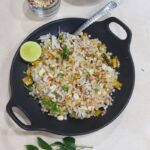
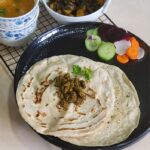
Kitchen basics that make everyday cooking easier

Kitchen Basics That Make Everyday Cooking Easier

Picture a typical Indian morning—pressure cooker whistling, chai simmering,
and someone shouting, “Jaldi karo, late ho raha hai!”

Sound familiar?

For many of us, cooking isn’t just about food—it’s part of our daily rhythm.
But here’s the thing: it doesn’t have to feel like a never-ending chore.

With the right kitchen basics for Indian cooking, you can save time,
reduce effort, and maybe even enjoy the process a little more.

Let’s dive into the essentials that truly make everyday cooking easier.

1. Must-Have Kitchen Tools for Indian Cooking

You don’t need a fancy modular kitchen to cook efficiently.
Just a few smart tools can make all the difference.

Basic Tools You Shouldn’t Skip

Pressure Cooker

Perfect for dal, rice, beans, and curries.

Kadai (Wok)

Ideal for sabzi, frying, and gravies.

Mixer Grinder

A lifesaver for chutneys, masalas, and pastes.

Sharp Knife & Board

Saves more time than most kitchen gadgets.

Tawa

Essential for rotis, parathas, and dosas.

Modern Add-ons (Optional)

Vegetable Chopper
Air Fryer
Electric Rice Cooker

Smart tools don’t replace cooking skills—they simply make everyday cooking easier.

2. Smart Food Prep: The Real Game Changer

Ask any experienced home cook, and they’ll tell you—the secret lies in preparation.

Think of a Sunday afternoon. While the family watches TV, vegetables are being chopped,
ginger-garlic paste is prepared, and dough is kneaded.
That’s not just multitasking—it’s smart planning.

Easy Prep Tips

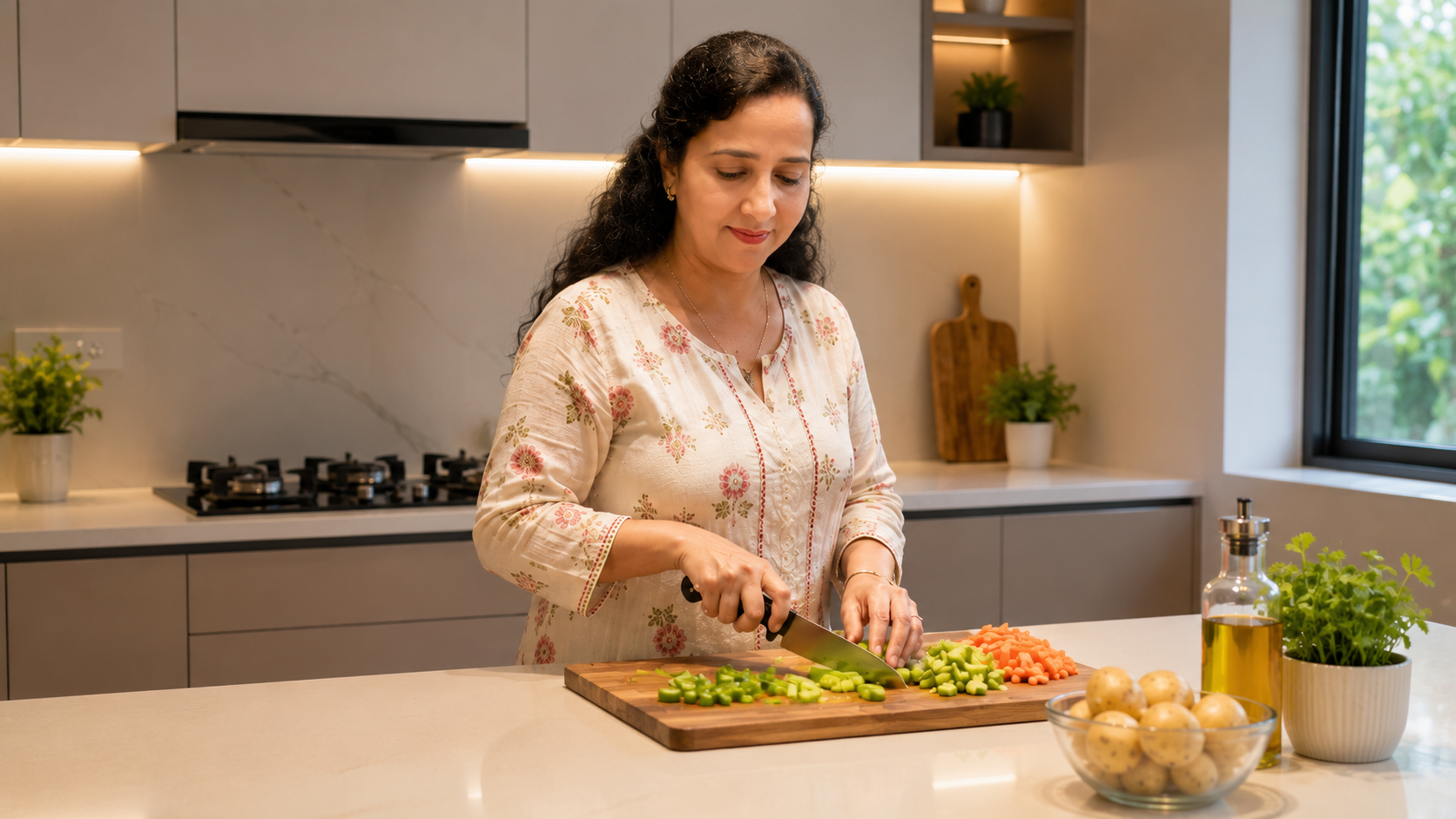
Chop vegetables in advance and store them in airtight containers.
Prepare ginger-garlic paste for the entire week.
Knead dough ahead of time and refrigerate it.
Soak dals and beans overnight for quicker cooking.

A little preparation today can save a lot of cooking time tomorrow.

3. Stocking Essential Indian Pantry Staples

Ever started cooking and realized you’re missing jeera or haldi?

Total mood killer, right?

A well-stocked pantry is one of the most underrated kitchen basics in Indian homes.

Must-Have Pantry Staples

Spices

Turmeric, cumin, coriander, garam masala, mustard seeds.

Lentils

Toor dal, moong dal, and chana dal.

Grains

Rice and atta (wheat flour).

Cooking Essentials

Mustard oil, sunflower oil, or ghee.

Daily Basics

Onions, potatoes, and tomatoes.

A stocked pantry means you’re always just a few minutes away from a comforting homemade meal.

4. Organizing Your Kitchen for Efficiency

Let’s be honest—half the cooking stress comes from not finding things when you need them.

An organized kitchen isn’t just pretty. It’s practical.

Simple Organization Hacks

Store spices in a masala dabba for quick access.
Keep frequently used items within arm’s reach.
Label containers to avoid confusion.
Use transparent jars to identify ingredients instantly.

A well-organized kitchen can save valuable minutes every single day.

5. Time-Saving Cooking Habits

Here’s where small habits create a big impact.

Ever noticed how dadi or mom never seemed rushed, yet meals were always ready on time?

That’s because they followed simple and efficient routines.

Daily Cooking Habits That Save Time

Start with dishes that take longer, such as dal or rice.
Cook extra and creatively reuse leftovers.
Clean as you cook to avoid a messy kitchen later.
Use lids while cooking to reduce cooking time.
Quick Example:

Leftover dal can easily become delicious dal paratha the next morning.

Small daily habits often make a bigger difference than expensive kitchen gadgets.

6. Balancing Tradition with Modern Convenience

Indian kitchens are beautiful blends of tradition and innovation.

While the sil batta has its charm, a mixer grinder gets the job done much faster.

The goal isn’t choosing one over the other—it’s finding the right balance.

Smart Ways to Combine Both

Use traditional spices with modern appliances.
Cook classic recipes using faster cooking methods.
Try batch cooking for busy weekdays.
Remember:

Modern tools save time, but traditional cooking wisdom adds flavour, culture, and authenticity.

The best Indian kitchens aren’t traditional or modern—they’re a thoughtful mix of both.

Frequently Asked Questions

1. What are the most essential kitchen basics for beginners?

Start with a pressure cooker, kadai, knife, chopping board, and basic spices.
These tools cover most Indian recipes and make daily cooking easier.

2. How can I save time in daily cooking?

Focus on meal preparation, organize your kitchen, and follow simple cooking routines.
Small habits can significantly reduce cooking time.

3. Are modern kitchen appliances necessary?

Not necessarily, but they can make cooking faster, easier, and more convenient,
especially for busy households.

4. What are must-have pantry staples in Indian kitchens?

Essential pantry items include turmeric, cumin, lentils, rice, atta,
cooking oil, onions, tomatoes, and potatoes.

Cook Smarter, Not Harder

At the end of the day, cooking in an Indian kitchen is more than just a task.
It’s an experience filled with aromas, memories, traditions, and comfort.

But that doesn’t mean it has to feel exhausting.

By focusing on the right kitchen basics, smart tools, efficient organization,
and simple daily habits, you can transform your cooking routine into something
smoother, faster, and even enjoyable.

Smart Kitchen Tools
Better Organization
Time-Saving Habits
Efficient Meal Preparation

So next time you step into the kitchen, ask yourself:

Am I working harder, or smarter?

Spread the love

Leave a Reply

fifteen − 4 =